Veterans & Ibogaine: A Novel Approach to PTSD, TBI, and Opiate Dependence
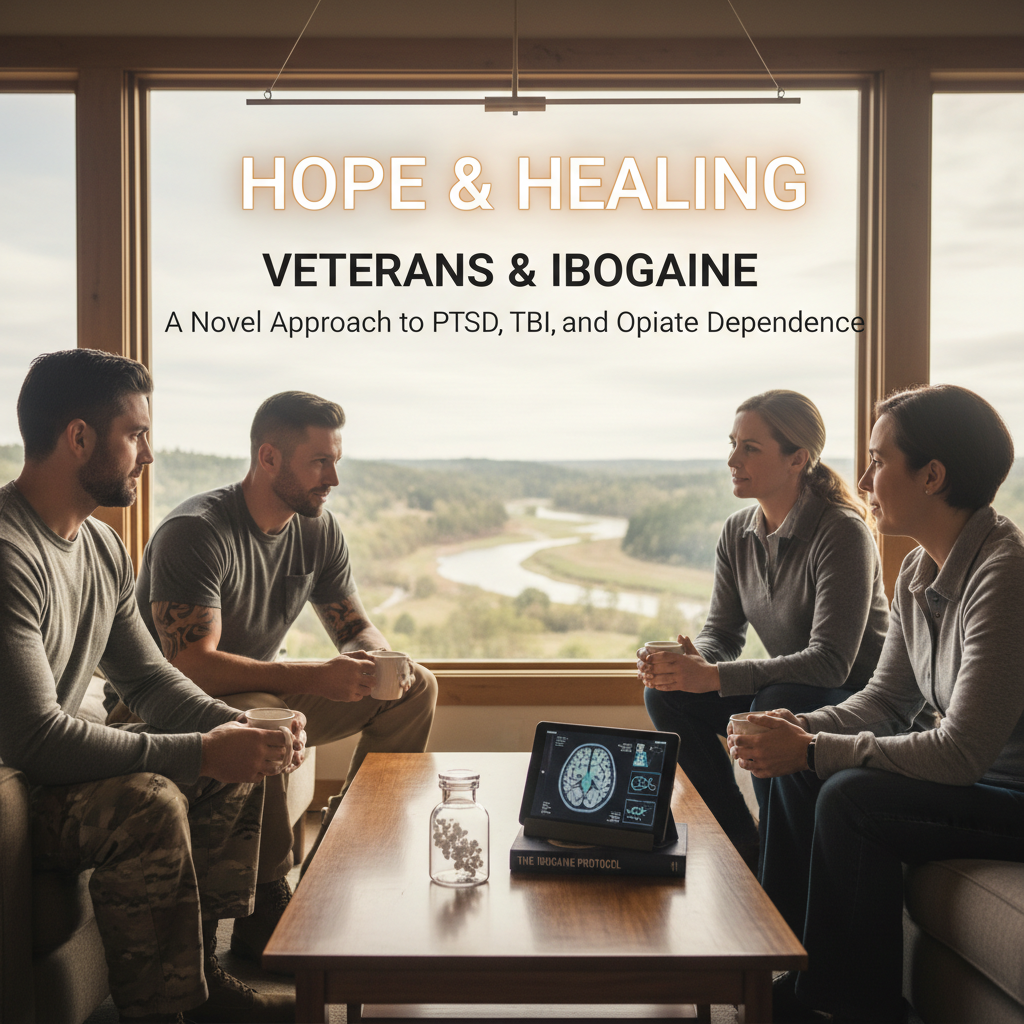
Introduction: A New Hope for Our Heroes
Veterans are among the most resilient individuals, yet many return from service bearing invisible wounds that profoundly impact their lives. Post-Traumatic Stress Disorder (PTSD), Traumatic Brain Injury (TBI), and opioid dependence represent a complex triad of challenges, often co-occurring, that can make civilian life an ongoing struggle. Traditional treatments, while valuable, don't always provide the comprehensive relief many veterans desperately seek. For those facing these persistent battles, the search for effective therapies is continuous and urgent.
Amidst this urgent need, ibogaine therapy is emerging as a topic of significant interest, particularly for veterans grappling with these conditions. This powerful, naturally-derived psychoactive compound, administered under strict medical supervision, offers a unique mechanism of action that appears to address the root causes of addiction and trauma at a neurological level. Our independent educational resource, Ibogaine Therapy Mexico, explores how ibogaine for veterans is being used in specific contexts, offering a potential path to profound healing. This article delves into the potential of ibogaine to support veterans' mental health, aid in TBI recovery, and provide relief from opiate dependence, guiding you through the science, the safety protocols, and the practical considerations for those exploring this novel treatment option.
Addressing the Unique Challenges of Veterans with Ibogaine
The transition from military service to civilian life can be fraught with unique mental and physical health challenges. Veterans often face higher rates of PTSD, TBI, and substance use disorders, particularly opioid dependence, compared to the general population. These conditions are deeply intertwined, each exacerbating the others and creating a cycle of suffering that is difficult to break with conventional methods.
The Invisible Wounds: PTSD and Mental Health
PTSD affects a significant number of veterans, manifesting as debilitating flashbacks, nightmares, hypervigilance, and emotional numbness. These symptoms can isolate individuals, damage relationships, and severely impair daily functioning. Traditional psychotherapy and pharmaceuticals often help manage symptoms, but many veterans report feeling "stuck," unable to process the underlying trauma. Ibogaine's potential lies in its ability to facilitate profound introspective experiences, allowing individuals to confront and reframe traumatic memories in a non-threatening state. This "dream-like" state, distinct from typical wakefulness, can offer new perspectives on past events.
Opioid Dependence: A Critical Battlefield
The opioid crisis has deeply affected the veteran community, with chronic pain from service-related injuries often leading to prescription opioid reliance, which can escalate to dependence on substances like fentanyl or heroin. The physical and psychological withdrawal from opioids is notoriously severe, often preventing individuals from seeking recovery. Ibogaine stands out for its remarkable ability to interrupt opioid withdrawal symptoms and significantly reduce cravings, often for extended periods. This unique effect can provide a critical window for individuals to break free from the physical chains of addiction and begin the deeper psychological work required for lasting sobriety. For veterans specifically struggling, exploring ibogaine for opioid withdrawal: a path to lasting freedom from dependence offers critical insight.
Ibogaine's Promise for Comprehensive Healing
Beyond its anti-addictive properties, research suggests ibogaine may offer broader benefits for mental health and trauma processing. By acting on multiple neurotransmitter systems, it can help reset brain chemistry and promote neuroplasticity. This "reset" can alleviate depressive symptoms, reduce anxiety, and even help individuals develop new coping mechanisms. For veterans dealing with the complex interplay of PTSD and addiction, ibogaine presents a holistic approach that targets both the physiological dependence and the psychological distress, offering a more integrated path to healing and reintegration. Our resource also delves into healing trauma: ibogaine therapy for PTSD & complex trauma recovery.
How Ibogaine Supports Brain Health in Traumatic Brain Injury (TBI)
Traumatic Brain Injury (TBI) is another silent epidemic within the veteran community. From blast injuries to concussive events, TBI can lead to a constellation of cognitive, emotional, and physical impairments that profoundly affect a veteran's quality of life. The long-term effects can include memory problems, mood swings, chronic headaches, and difficulty concentrating, often compounding the challenges of PTSD and increasing susceptibility to addiction.
Understanding TBI's Impact on Veterans
TBI can disrupt neural pathways, impair neurotransmitter function, and lead to chronic inflammation in the brain. These changes contribute to many of the symptoms veterans experience, making it difficult for their brains to heal and adapt. Traditional medical approaches focus on symptom management and rehabilitation, but the underlying neurological damage can be persistent. This often leaves veterans with lasting deficits that impact their ability to work, maintain relationships, and find peace.
Neuroplasticity and GDNF Upregulation
One of the most intriguing aspects of ibogaine's potential lies in its interaction with neuroplasticity and the upregulation of Glial Cell Line-Derived Neurotrophic Factor (GDNF). GDNF is a potent neurotrophic factor that promotes the survival and differentiation of various neuronal populations, playing a crucial role in brain repair and regeneration. Research indicates that ibogaine, and its longer-acting metabolite noribogaine, can increase GDNF levels in specific brain regions. This upregulation could potentially support the repair of damaged neural networks and promote the formation of new, healthy connections—a process known as neuroplasticity. The science of ibogaine: how it rewires the brain for healing & neuroplasticity provides further details on these mechanisms.
Early Research and Anecdotal Evidence
While more extensive research is needed, preliminary studies and anecdotal reports suggest that ibogaine may offer benefits for individuals with TBI. By promoting neuroplasticity and potentially stimulating repair mechanisms, ibogaine could help mitigate some of the cognitive and emotional deficits associated with TBI. Veterans who have undergone ibogaine therapy sometimes report improvements in cognitive function, emotional regulation, and overall mental clarity. This suggests a potential for ibogaine to not just alleviate symptoms but also to contribute to the brain's recovery process itself, making it a promising area for further investigation in the context of ibogaine TBI treatment.
The Stanford MISTIC Study: A Beacon of Hope for Special Operations Veterans
Groundbreaking research, particularly the MISTIC study (MAPS-sponsored Ibogaine for Special Operations Traumatic Brain Injury & Post-Traumatic Stress Disorder) conducted at Stanford University, has brought significant attention to ibogaine's potential for veterans. This study focused on special operations veterans with co-occurring PTSD and TBI, a population often resistant to conventional treatments. The results have been nothing short of remarkable, providing concrete evidence of ibogaine's therapeutic efficacy.
Groundbreaking Research Findings
The Stanford MISTIC study revealed profound reductions in PTSD, depression, and anxiety symptoms among participants. Specifically, it showed an 88% reduction in PTSD symptoms, an 87% reduction in depression symptoms, and an 81% reduction in anxiety symptoms. These statistics are not merely numbers; they represent a significant improvement in the quality of life for individuals who have endured immense suffering. The study highlighted ibogaine's ability to facilitate deep psychological processing, allowing veterans to address traumatic memories and emotional blockages in a unique therapeutic state.
Beyond Symptom Reduction: Long-Term Impact
What makes the MISTIC study particularly compelling is the sustained nature of the improvements observed. Many participants reported long-term relief from symptoms, suggesting that ibogaine doesn't just offer temporary respite but rather contributes to a more fundamental shift in mental health. This long-term impact is crucial for veterans, providing them with a stable foundation upon which to rebuild their lives and maintain their well-being. The study also emphasized the importance of comprehensive medical and psychological support surrounding the ibogaine experience to maximize therapeutic outcomes.
Implications for Wider Veteran Care
The positive outcomes from the MISTIC study have significant implications for the broader veteran community and their mental health. It suggests that ibogaine, when administered in a carefully controlled and medically supervised setting, could be a transformative treatment option for those who have not found success with other therapies. While further large-scale studies are necessary, the Stanford research provides a robust evidence base that warrants serious consideration of ibogaine as a powerful tool in addressing the complex and often debilitating conditions faced by our service members.
Treatment Logistics for Veterans in Mexico
For veterans considering ibogaine therapy, understanding the logistics of treatment in Mexico is a critical step. Mexico has become a hub for ibogaine treatment due to its legal status for the compound and the presence of specialized clinics. However, choosing a safe and effective treatment provider requires diligence and careful planning. Our site, Ibogaine Therapy Mexico, is dedicated to providing independent guidance on these crucial decisions.
Navigating Clinic Evaluation and Selection
The first and most important step is to thoroughly evaluate potential clinics. Veterans should look for facilities that prioritize medical safety, employing qualified physicians, nurses, and support staff. Key considerations include:
- Medical Screening: Clinics should conduct comprehensive cardiac screening (ECG, blood tests) and assess for contraindications.
- Medical Supervision: 24/7 medical supervision throughout the treatment is non-negotiable.
- Integration Support: A good clinic offers pre-treatment preparation and post-treatment integration support, which is vital for lasting results.
- Transparency: Reputable clinics are transparent about their protocols, staff credentials, and pricing.
Remember, an independent resource like Ibogaine Therapy Mexico can help you understand the criteria for a safe and reputable clinic.
Understanding Costs and Financial Planning
Ibogaine treatment in Mexico can range from $5,000 to $15,000, depending on the clinic, duration of stay, and the level of medical support provided. This cost typically covers medical evaluations, the ibogaine dosage, accommodation, meals, and post-treatment care. Veterans should inquire about all-inclusive packages and any potential hidden fees. While insurance typically does not cover ibogaine therapy, some veterans may explore personal loans, crowdfunding, or charitable organizations dedicated to supporting veterans' alternative treatments. Financial planning is an essential component of preparing for this journey.
Travel Considerations and Support
Traveling to Mexico for treatment requires careful planning. Veterans should ensure they have a valid passport, understand local travel advisories, and arrange for safe transportation to and from the clinic. Many clinics offer airport pickup services. It is also advisable to have a trusted family member or friend aware of your travel plans and treatment details. Preparing psychologically for the journey and the treatment itself is also crucial. Understanding the entire process, from travel to post-care, helps veterans approach their ibogaine experience with confidence and peace of mind. For a complete guide to planning your journey, consult Ibogaine Therapy Mexico: Your Independent Guide to Healing & Recovery.
Resources and Support for Veterans Seeking Ibogaine Therapy
Navigating the path to healing with ibogaine can be complex, but veterans are not alone. A growing network of resources and support systems exists to provide guidance, information, and assistance throughout the process. Accessing independent, research-backed information is paramount to making informed decisions about treatment options.
Independent Information and Guidance
Our website, Ibogaine Therapy Mexico, serves as a non-commercial, independent educational resource. We provide unbiased information based on the latest research, covering ibogaine science, safety protocols, treatment logistics, and comparisons with other therapies. We are not affiliated with any clinic, ensuring that our guidance remains objective and focused solely on empowering veterans and their families with accurate knowledge. We encourage veterans to thoroughly research ibogaine and its potential benefits and risks before making any decisions.
Peer Support Networks
Connecting with other veterans who have undergone ibogaine therapy can be an invaluable source of support. Peer groups, online forums, and veteran-specific organizations often share personal experiences, recommendations for clinics, and insights into the recovery journey. Sharing these experiences can provide a sense of community, reduce feelings of isolation, and offer practical advice from those who have walked a similar path. These networks can also be crucial for post-treatment integration, as navigating the changes after ibogaine can be challenging without understanding and support.
Crisis Resources and Next Steps
While ibogaine offers profound potential, it's essential to remember that it is a serious medical procedure, and ongoing support is critical. For veterans experiencing immediate crises related to mental health or addiction, accessing crisis resources is the first step. Organizations like the Veterans Crisis Line (Dial 988, then Press 1) offer confidential support 24/7. After ensuring immediate safety, exploring ibogaine therapy can be a next step for those seeking long-term recovery. For further information and to contact us for guidance, you can explore our contact options. We are here to help you navigate your options and provide factual, research-backed insights into ibogaine for veterans.
Frequently Asked Questions About Ibogaine for Veterans
Is ibogaine therapy legal for veterans in Mexico?
Yes, ibogaine therapy is legal in Mexico, which is why many veterans seek treatment there. However, it is not approved by the FDA in the United States and remains a Schedule I controlled substance.
How does ibogaine help with PTSD in veterans?
Ibogaine can induce a dream-like state that allows veterans to process traumatic memories from a detached perspective, reducing their emotional charge. It also promotes neuroplasticity and can reset neural pathways associated with fear and anxiety.
Can ibogaine treat both TBI symptoms and opioid dependence simultaneously?
While ibogaine is primarily known for addiction interruption, its neurotrophic effects (like increasing GDNF) show promise in supporting brain health and neuroplasticity, which could potentially aid in TBI recovery. Many veterans also find relief from co-occurring PTSD and opioid dependence.
What are the safety considerations for veterans undergoing ibogaine treatment?
Crucial safety considerations include thorough cardiac screening, medical supervision by qualified professionals throughout the treatment, and proper dosing in a clinical setting. Contraindications like certain heart conditions must be carefully evaluated.
How can a veteran afford ibogaine treatment in Mexico?
Since ibogaine therapy is typically not covered by insurance, veterans often explore options such as personal savings, crowdfunding, grants from veteran-focused non-profits, or seeking financial assistance from clinics that may offer payment plans or reduced rates for veterans.
Conclusion: A Path Forward for Veteran Healing
The challenges faced by veterans struggling with PTSD, TBI, and opioid dependence are immense, often requiring innovative and comprehensive solutions. Ibogaine therapy in Mexico presents a powerful and potentially transformative option, offering a unique mechanism of action that addresses both the physical and psychological dimensions of these complex conditions. From its ability to interrupt opioid withdrawal with remarkable efficacy to its potential for fostering neuroplasticity and facilitating profound trauma processing, ibogaine represents a significant area of hope for veterans seeking a return to health and well-being.
The groundbreaking Stanford MISTIC study has underscored this potential, demonstrating significant reductions in PTSD, depression, and anxiety among special operations veterans. While crucial safety protocols and careful clinic selection are paramount, the growing body of evidence and anecdotal success stories paint a picture of a treatment that can offer a fresh start. As an independent resource, Ibogaine Therapy Mexico remains committed to providing transparent, research-backed information to help veterans and their families navigate this promising path. We encourage you to explore our site, subscribe to our newsletter for the latest research, and reach out via our contact form if you have further questions. Together, we can shed light on effective treatments and support our heroes on their journey to lasting recovery.